Generally, capsule filters cannot be sterilized in place (SIP) due to pressure and heat resistance limitations of their housings. Autoclave steam sterilization is the most common method. To ensure a robust and effective sterilization process, focus on the following three steps.
01 Pre-Sterilization Preparation
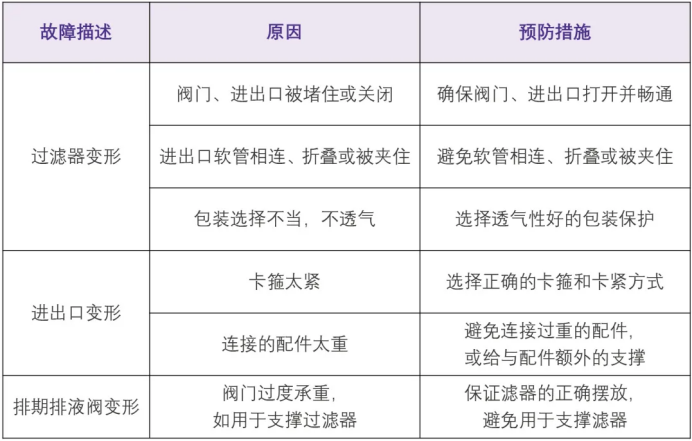
a. Vent/Drain Valves and Inlet/Outlet: Throughout the entire sterilization cycle, these valves and ports must remain fully open and unobstructed to ensure adequate air circulation, steam penetration, and condensate drainage.
b. Aseptic Protection: All filter openings must be wrapped with appropriate aseptic materials. Porous, breathable autoclave bags are recommended. Wrapping should not be too tight to maintain proper air circulation and steam penetration during sterilization.
c. Clamps: Common TC clamp materials include plastic and stainless steel. Two-piece plastic clamps or three-piece stainless steel clamps are recommended to ensure uniform load distribution and prevent deformation of components caused by over-tightening.
d. Filter Tubing: Select tubing with the largest possible inner diameter and keep it open and unobstructed. Tubing should not be bent, folded, or formed into a U-shape. If tubing is connected to both the inlet and outlet of the filter, do not connect the two tubes to form a loop. The ends of the tubing must be wrapped to maintain aseptic protection.
02 During Sterilization
a. Filter Orientation: Capsule filters must be positioned vertically in the normal operating direction (liquid flow direction), with the outlet facing downward. Compared to horizontal or inverted placement, this orientation facilitates better condensate drainage and heat transfer.
b. Filter Placement: Filters can be sterilized either installed on the process tank inside the autoclave or separately. If connected to the process tank, avoid connecting additional hardware upstream of the filter to prevent deformation. If sterilized separately, follow the “Pre-Sterilization Preparation” guidelines above: place the filter in a container before loading it into the autoclave, ensuring it remains vertical with the outlet facing downward throughout the cycle.
c. Sterilization Cycle: Excessive pressure differentials can damage the filter. It is recommended to select a reasonable, slower pulsating vacuum cycle program and refer to the supplier’s recommended sterilization parameters.
03 Troubleshooting